
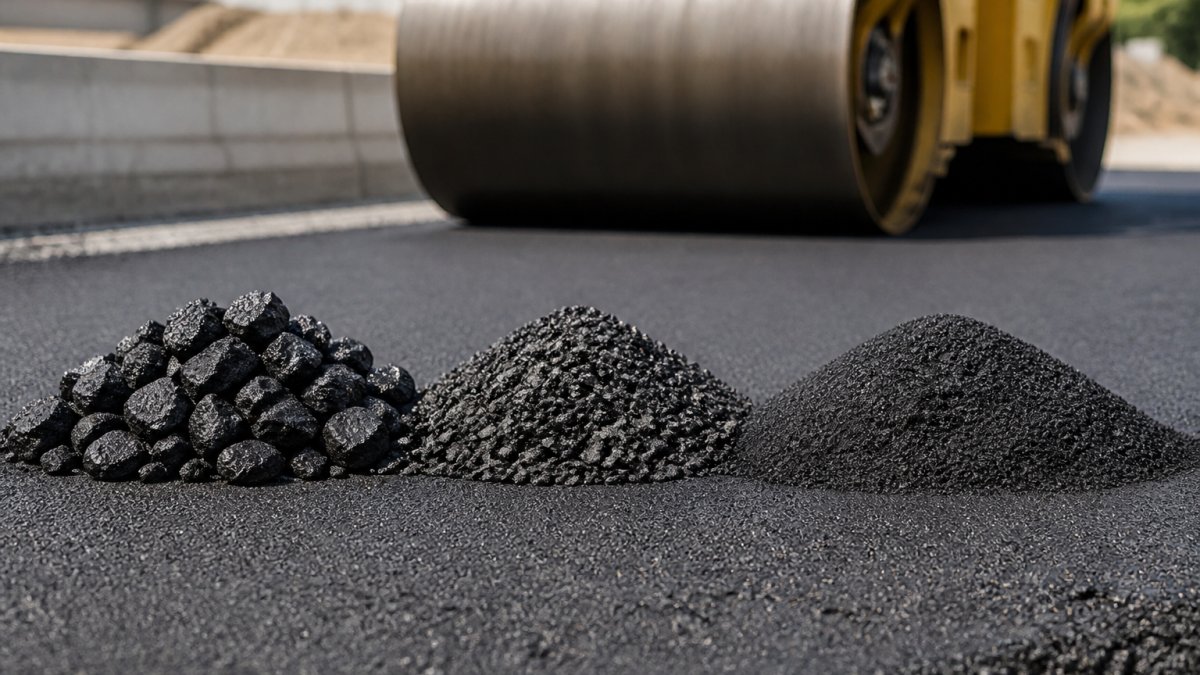
What Are the Best Asphalt Paving Materials for Durability?
Last Updated: October 28, 2026
Quick Summary
The best asphalt paving materials for durability are hot-mix asphalt (dense-graded) for most driveways and lots and polymer-modified asphalt for heavy traffic and harsh sun, where it offers the highest durability. Warm-mix asphalt also performs well in cooler-weather paving windows. No single mix wins everywhere, so durability depends on mix design, binder, base preparation, and maintenance.
- Polymer-modified asphalt has the highest relative durability but comes with higher upfront material cost.
- Standard binder is fine for low-traffic residential driveways and light-use access lanes.
- Warm-mix asphalt suits cooler-weather paving windows but has narrower temperature tolerance.
- Porous asphalt rates moderate to high durability but clogs without cleaning.
- Cold-mix asphalt is for patching and temporary repair with low to moderate durability.
Table of Contents
- Best Asphalt Paving Materials for Durability: What Actually Holds Up
- The Best Asphalt Mix for Heavy Traffic and Industrial Lots
- Polymer-Modified Asphalt: Where the Extra Cost Pays Back
- Commercial Asphalt Pavement Thickness and Base Preparation
- Climate, Maintenance, and What Actually Shortens Pavement Life
- Frequently Asked Questions
Best Asphalt Paving Materials for Durability: What Actually Holds Up
Durability in asphalt paving materials comes down to four things: the mix design, the binder, the pavement structure beneath it, and how the surface is maintained. No single mix wins everywhere.
At All-Tech Asphalt Paving, LLC., we use materials that meet or exceed state and federal standards. Below, we break down which mixes hold up, where each one belongs, and what actually shortens pavement life.
Here is the short version before the detail:
| Mix / Material | Best For | Relative Durability | Watch Out For |
|---|---|---|---|
| Hot-mix asphalt (dense-graded) | Most driveways and lots | High | Needs proper compaction while hot |
| Polymer-modified asphalt | Heavy traffic, harsh sun | Highest | Higher upfront material cost |
| Warm-mix asphalt | Cooler-weather paving windows | High | Narrower temperature tolerance |
| Porous asphalt | Drainage-critical sites | Moderate to high | Clogs without cleaning |
| Cold-mix asphalt | Patching and temporary repair | Low to moderate | Short service life |
| Concrete | Heavy static loads, low maintenance | High | Joints and cracking over time |
| Gravel | Low-traffic, budget sites | Low | Constant regrading |
| Pavers | Decorative, repairable surfaces | Moderate to high | Shifting and weed growth |
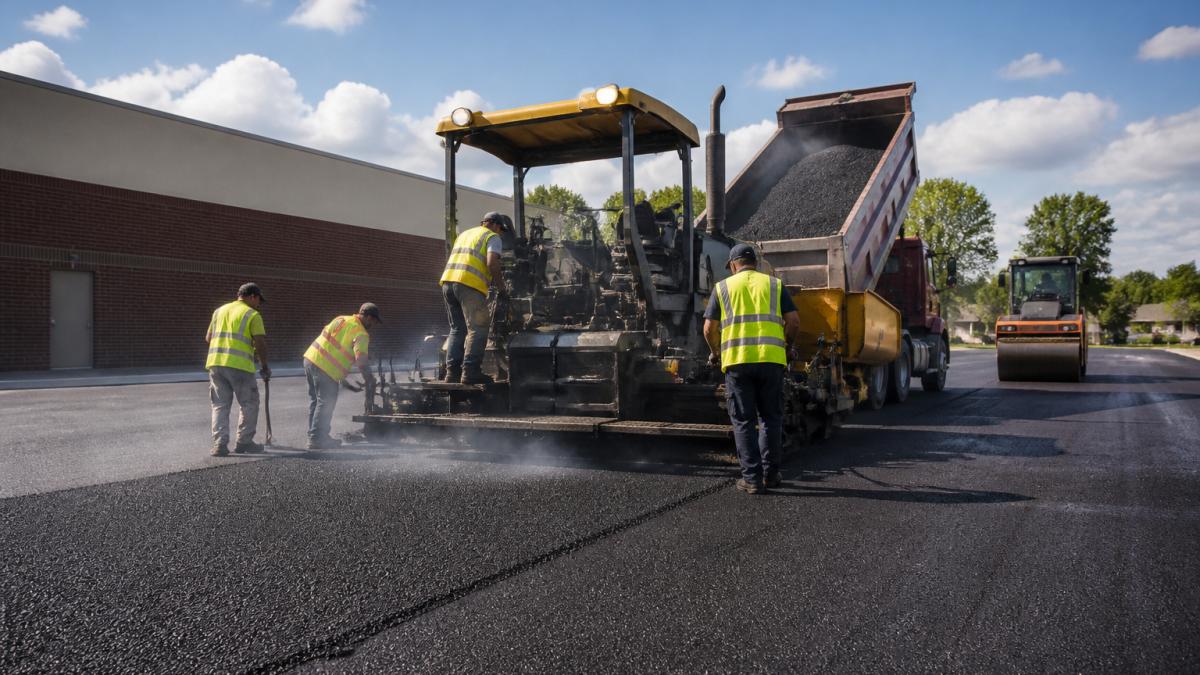
The Best Asphalt Mix for Heavy Traffic and Industrial Lots
See completed asphalt jobs to judge whether a contractor handles heavy-traffic paving work.
Polymer-Modified Asphalt: Where the Extra Cost Pays Back
Where it earns its keep:
- Parking lots with steady truck or bus traffic
- Pavements exposed to intense sun and heat cycling
- Sites where resurfacing disruption is costly and long life matters
Where standard binder is fine: low-traffic residential driveways and light-use access lanes. The one drawback is cost, so we recommend it where loads and climate justify it, not everywhere.
Commercial Asphalt Pavement Thickness and Base Preparation
We utilize specialized excavation machinery.
To discuss thickness and base requirements for your site, contact us for a quote, or explore our installation services for professional installation options.
Climate, Maintenance, and What Actually Shortens Pavement Life
Review our paving services to match the right material and maintenance plan to your site.
Frequently Asked Questions
Which asphalt mix is most durable for heavy traffic?
Dense-graded hot-mix asphalt with a polymer-modified binder is the usual answer for lots that see truck traffic. The dense gradation packs aggregate tightly to resist rutting, and the polymer additive keeps the binder from softening in heat or cracking in cold. Pair it with adequate commercial asphalt pavement thickness and a properly compacted base, because the strongest mix still fails on a weak subgrade. For industrial parks, ask your paving contractor which binder grade and lift thickness they specify for your load levels.
Does asphalt thickness matter more than the mix for pavement life?
Both matter, but they solve different problems. Thickness spreads load across the base so the subgrade is not overstressed; the mix design controls how the surface resists rutting, cracking, and water damage. A premium polymer-modified asphalt laid too thin will still fail early, and a thick slab of cheap mix will still rut under heavy vehicles. The practical approach is to match commercial asphalt pavement thickness to your traffic loads and then choose the best asphalt paving materials your budget allows for the surface course.
How often should commercial asphalt be sealcoated and inspected?
Most commercial lots benefit from a sealcoat every two to three years, with a walk-through inspection each year to catch cracks before water gets into the base. Your asphalt pavement maintenance schedule should also include crack sealing as soon as fissures appear and prompt repair of any ponding areas, since standing water speeds up freeze-thaw damage and subgrade softening. Lots with heavy truck traffic may need closer attention on turning lanes and loading zones, where wear shows up first.
Pavement that lasts starts with the right mix, the right base, and a crew that builds both correctly. All-Tech Asphalt Paving, LLC. brings an owned fleet of concrete mixer trucks, specialized excavation machinery, and materials that meet or exceed state and federal standards to every project. Get started with All-Tech Asphalt Paving, LLC. and build a surface that holds up for years.
