
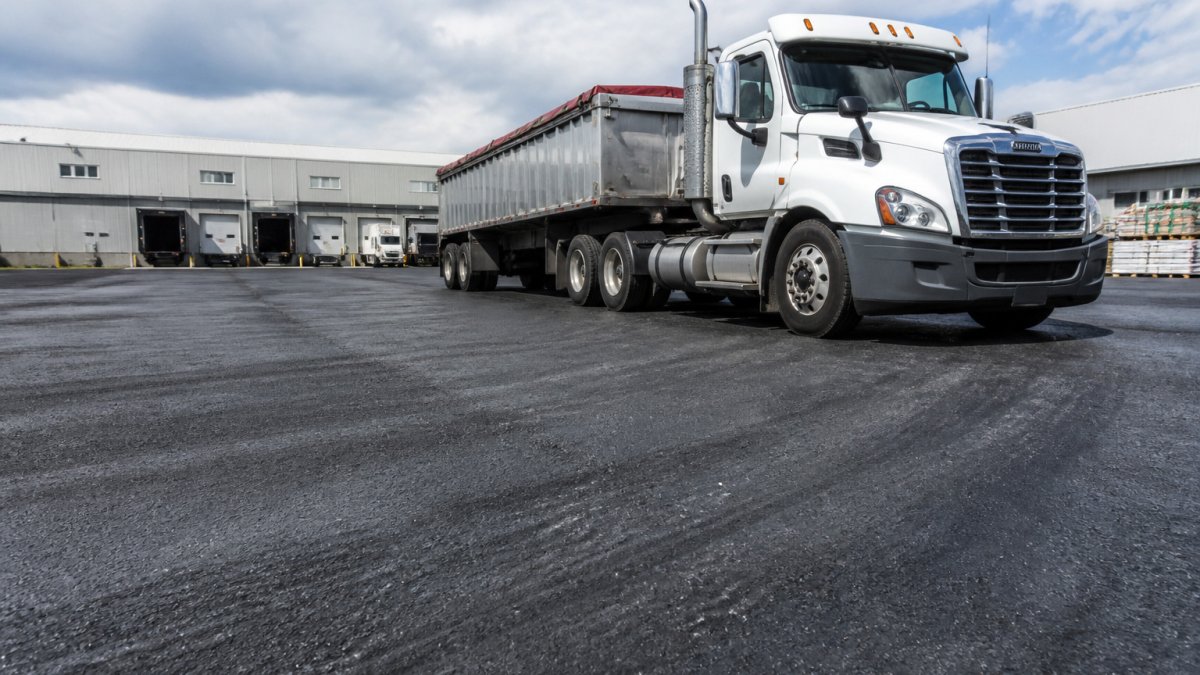
Can Your Houston Industrial Site Handle Heavy Truck Traffic?
Quick Summary
Industrial paving for Houston sites starts with mapping traffic by vehicle type, frequency, and turning or idling, since heavy trucks stress pavement far more than passenger cars. Loading zones need the heaviest construction, and the subgrade must be confirmed, because weak soil fails under a strong surface. Thickness and drainage then work together to keep the lot durable.
- Map traffic by vehicle type, frequency, and turning or idling before planning.
- Loading zones need the heaviest construction of the lot.
- Confirm the subgrade, because weak soil fails under a strong surface.
- Match base depth to expected axle loads to spread truck loads.
- Grade drainage away from loading zones before water weakens the structure.
Table of Contents
- Planning Industrial Paving for Heavy Truck Traffic
- Setting Industrial Pavement Thickness and Drainage for Houston Conditions
- Scheduling Industrial Paving Maintenance and Next Steps With All-Tech Asphalt
- Frequently Asked Questions
Planning Industrial Paving for Heavy Truck Traffic
Last Updated: November 2, 2026
Heavy trucks stress pavement differently than passenger cars. For industrial paving in Houston, the first question is whether a lot can carry loaded tractor-trailers year after year. Planning starts with the loads.
Map traffic by vehicle type, frequency, and turning or idling; identify loading zones, which need the heaviest construction; confirm the subgrade, since weak soil fails under a strong surface; and phase work around operations.
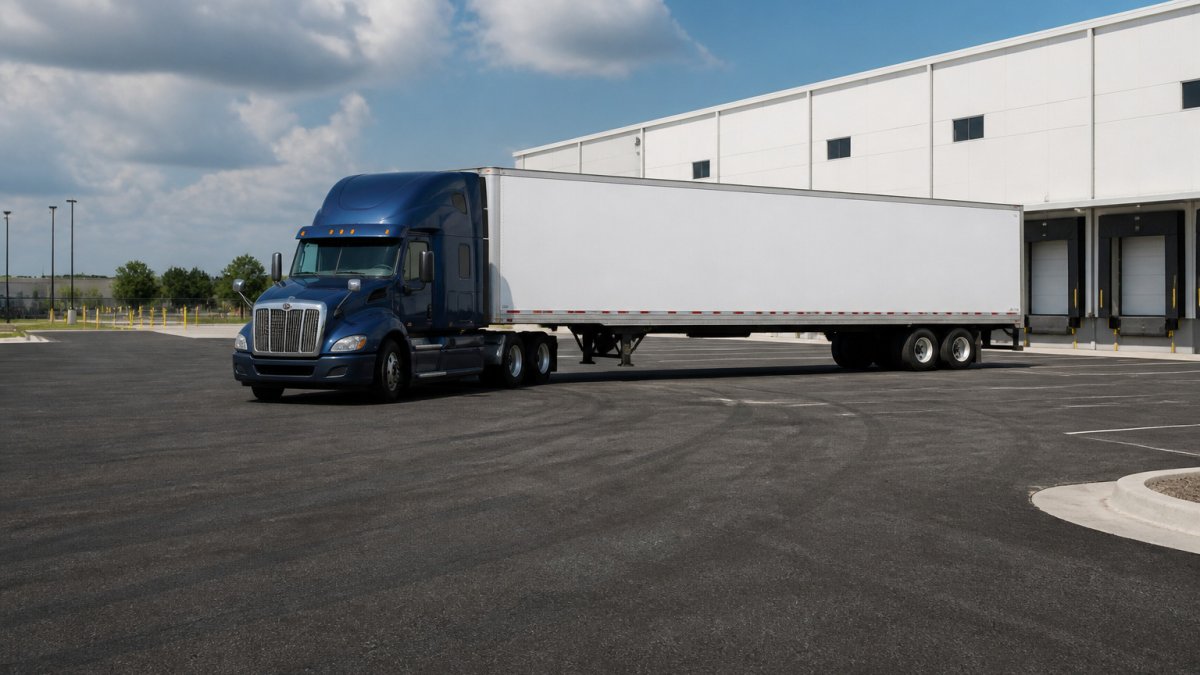
Setting Industrial Pavement Thickness and Drainage for Houston Conditions
Thickness and drainage work together: a thicker section spreads truck loads over more base material, while grading moves water away before it weakens the structure. Drainage often decides how long a surface lasts.
Ask your contractor to match base depth to expected axle loads, grade drainage away from loading zones, and check inlets and outflow against storm events.
The article’s key points on thickness and drainage are summarised below.
| Factor | What to do | Why it matters |
|---|---|---|
| Base depth | Match to expected axle loads | Spreads truck loads over more base material |
| Grading | Grade drainage away from loading zones | Moves water away before it weakens the structure |
| Inlets and outflow | Check against storm events | Drainage often decides how long a surface lasts |
Scheduling Industrial Paving Maintenance and Next Steps With All-Tech Asphalt
Start by reviewing the services All-Tech Asphalt Paving, LLC. offers for industrial pavement. When comparing materials for heavy loads, explore What Are the Best Asphalt Paving Materials for Durability?. Then request a quote from All-Tech Asphalt Paving, LLC. to get started.
Frequently Asked Questions
What type of pavement is best for an industrial site?
Asphalt is the most common choice for industrial sites because it can be installed quickly, repaired in sections and resurfaced later with an overlay. The right choice depends on your traffic loads, turning patterns and schedule. Pricing depends on quantity, dates and delivery, so request a quote from All-Tech Asphalt Paving, LLC. for current figures.
How thick should industrial asphalt pavement be?
Thickness depends on the weight and frequency of truck traffic, the strength of the subgrade and the design life you expect. Heavy truck lanes typically need a thicker asphalt section over a well-compacted base than light passenger areas. A site engineer or paving contractor should confirm the design based on a soil evaluation and expected axle loads before construction begins.
